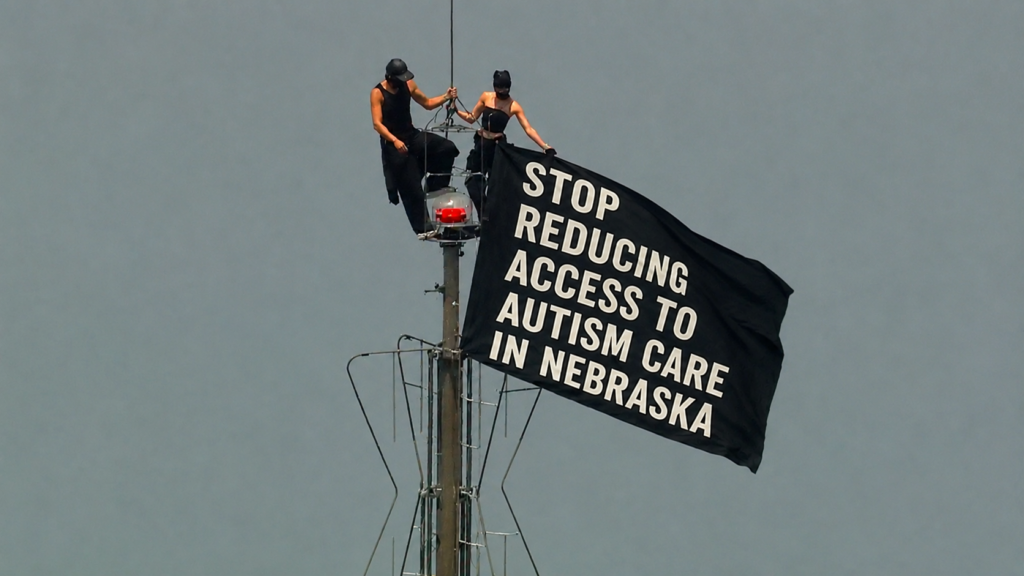
Families across Nebraska are navigating another round of changes to Medicaid Applied Behavior Analysis (ABA) services.
Beginning July 1, 2026, the Nebraska Department of Health and Human Services (DHHS) implemented updated ABA Medicaid Service Definitions, changing how services are delivered, documented, and authorized. While DHHS has stated these updates are intended to modernize care and improve consistency, many providers and families are concerned about how these changes may affect access to medically necessary services.
For many Nebraska families, these newest Medicaid changes come on the heels of another significant challenge.
Last year, substantial reductions to Medicaid reimbursement rates for Applied Behavior Analysis (ABA) services created uncertainty for providers and families across the state. Clinics were forced to evaluate staffing, scheduling, and long-term sustainability while working tirelessly to ensure children continued receiving medically necessary care.
Today, providers are adapting once again, this time to new Medicaid service definitions and documentation requirements. While these changes are different from last year’s rate reductions, they arrive during a period when many providers are still recovering from the financial and operational impacts of those earlier decisions.
For families, the cumulative effect of multiple policy changes can mean increased uncertainty, delays in services, or fewer options for care. That is why it is more important than ever for parents and caregivers to share how these changes are affecting their children.
Public feedback helps policymakers understand not only how individual policy decisions function on paper, but how they affect real Nebraska families trying to access medically necessary autism services.
At Behaven Kids, we believe every child deserves individualized, evidence-based care that meets their unique needs. We also believe families should have a voice in decisions that directly impact their children’s healthcare.
If your child has experienced delayed services, reduced therapy hours, scheduling disruptions, increased administrative barriers, or concerns about accessing ABA services, we encourage you to make your voice heard.
Sharing your family’s experience helps policymakers understand the real-world impact these decisions have on Nebraska children, not just providers.
There are two important ways to take action:
• Submit your experience to DHHS. Nebraska families can file concerns and complaints directly through the Nebraska Department of Health and Human Services’ complaint resources. Your feedback helps state leaders understand how policy changes affect the people they serve.
• Complete the Nebraska Association for Behavior Analysis (NEABA) advocacy form. NEABA is collecting stories from families and providers to better communicate the impact of these changes and advocate for policies that preserve access to quality ABA services.
Last year, Nebraska families spoke up about protecting access to autism services. This year, your voice is just as important. Whether your child has experienced delays, reduced services, or simply uncertainty about what comes next, sharing your story can help shape future decisions.
Advocacy is about ensuring change works for the children and families who rely on these services every day.
Whether your experience has been positive or challenging, your perspective matters.
Together, families, providers, clinicians, and advocates can help shape a system that is ethical, sustainable, and centered on the needs of Nebraska children.
If you need help locating the appropriate DHHS complaint resource or the NEABA advocacy form, our team at Behaven Kids is happy to point you in the right direction. Every story shared helps strengthen the conversation and advocate for a future where every Nebraska child can access the care they need.
Resources:
1. Nebraska DHHS – Submit Concerns or Complaints
This is the state’s main complaint portal. Families can report concerns related to Medicaid services, healthcare providers, or other DHHS programs. DHHS also directs Medicaid members with service concerns to iServe.
Link:
Nebraska DHHS Complaint & Concern Portal
2. Nebraska Medicaid (iServe)
If a family’s concern involves Medicaid eligibility, services, authorizations, or case management, DHHS recommends contacting iServe in addition to filing a complaint.
Link:
Nebraska Medicaid iServe Portal
3. Nebraska Association for Behavior Analysis (NEABA)
NEABA has been actively organizing advocacy efforts around the recent ABA policy changes, sharing legislative updates, and collecting information from providers and families. If you’re referring to a specific family impact survey or advocacy form, it’s likely distributed through NEABA’s website or member communications. I wasn’t able to verify a publicly accessible advocacy form, so I’d recommend linking families to NEABA’s advocacy resources or providing the direct form if your organization already has it.